
Why is there a bath culture in Turkey?
The origins of the bathhouse culture in Turkey date back to the Roman and Byzantine periods. This culture further developed and became widespread during the Ottoman Empire.
Bathing and cleanliness were important parts of social life in the Ancient Roman and Byzantine Empires. This culture continued during the Ottoman Empire, leading to the emergence of special bathhouse structures known as Ottoman hammams.

In Islam, cleanliness and ablution (ritual purification before prayer) hold significant importance. Bathhouses are ideal places to fulfill this ritual purification need.
Bathhouses were not only used for cleanliness but also for social interaction and communication. Especially for women, bathhouses were places for socializing and gathering. Social events such as weddings, births, and special occasions were also celebrated in bathhouses.

Bathhouses are important for health and hygiene as well. Hot water and steam help relax muscles, reduce stress, and clean the skin. During the Ottoman period, bathhouses were also places where medical treatments were conducted.
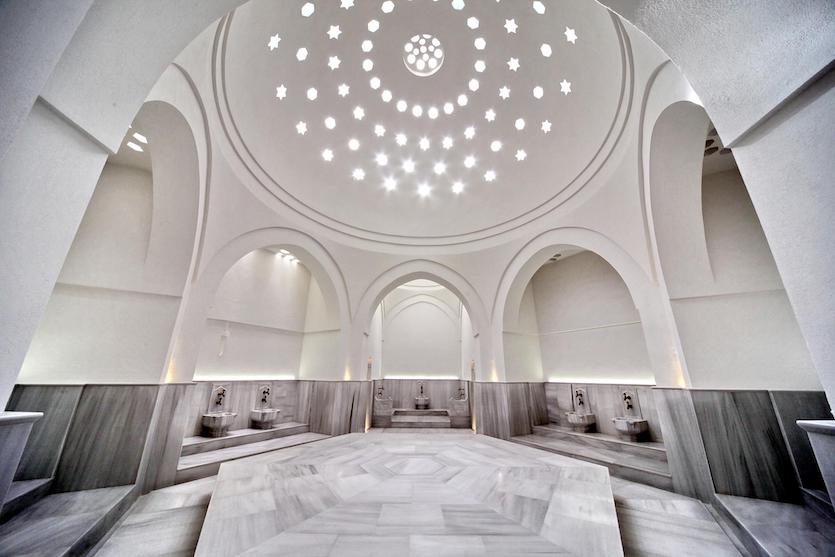
Ottoman bathhouses hold great importance architecturally. Traditional bathhouse architecture is enriched with domed ceilings, marble floors, and aesthetic details. These structures are an important part of historical and cultural heritage.

For these reasons, bathhouse culture has deep roots in Turkey and continues to exist today. Hammams are still used today both to preserve historical and cultural heritage and as part of modern spa and wellness applications.

We are always ready to answer all your questions, please reach out via Whatsapp +90 (532) 2263307
If you want to emigrate or buy an apartment in Turkey or own a property in turkey and enjoy life by the sea, message our specialists who will find the best options for your budget.
Also, subscribe to our YouTube channel and Instagram page to receive information from the professionals!
An additional channel to connect with us: Telegram
